Start here: the best-selling tour
If you only do one, make it this. A guide walks you through downtown Chicago, weaving the Capone-era gang wars together with the ghost stories and grim history that haunt the same blocks. It’s the highest-rated tour in the city — two themes, one walk, no filler.
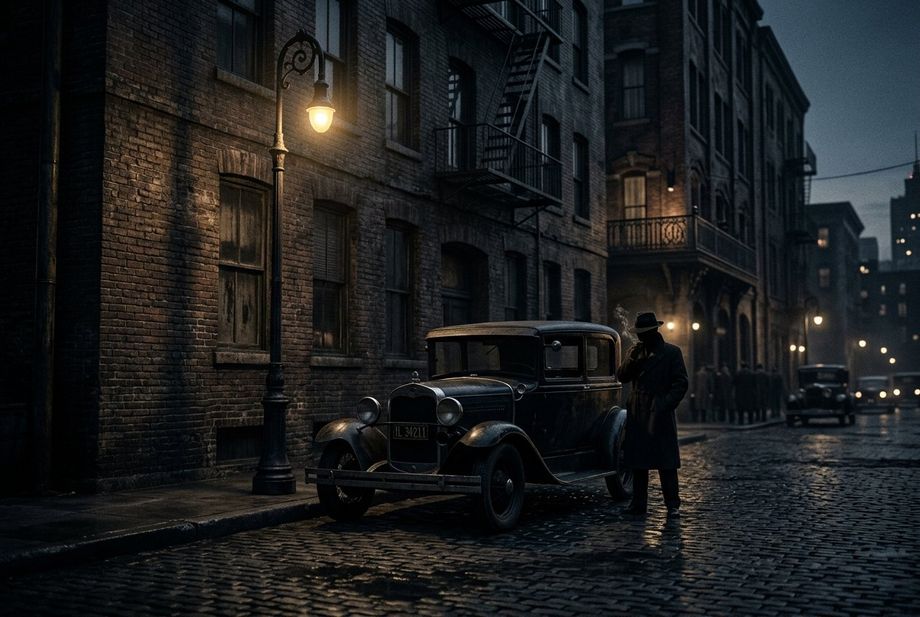
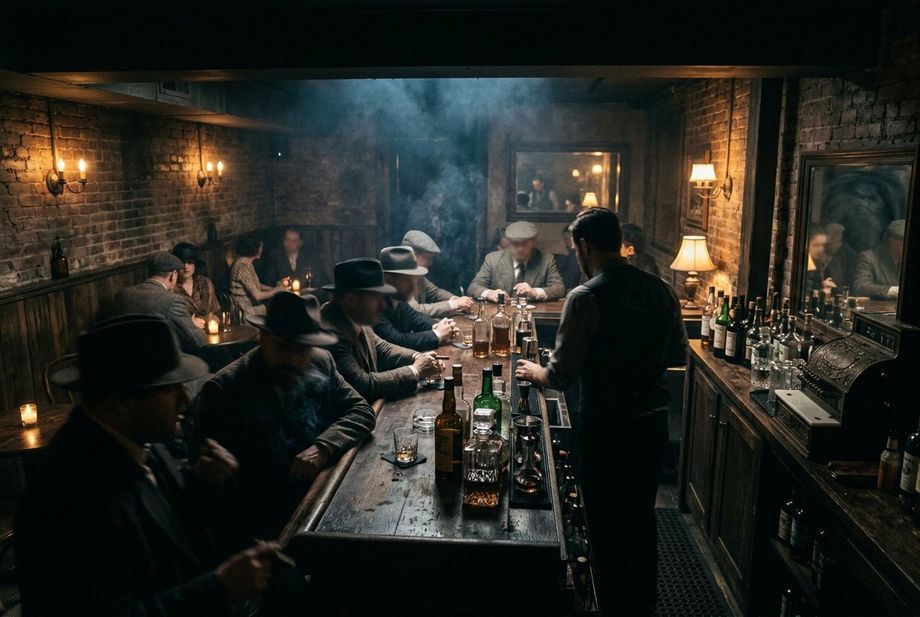
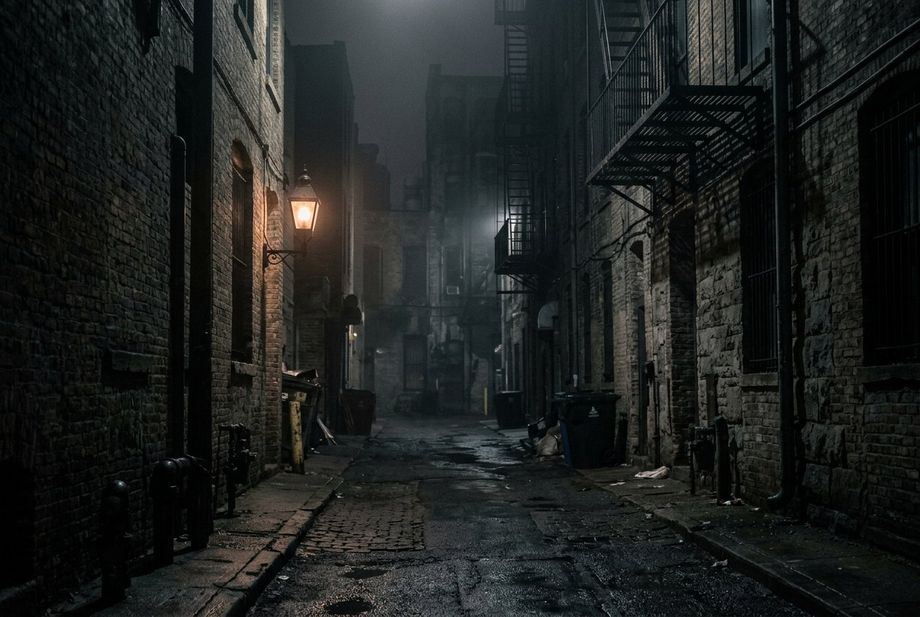
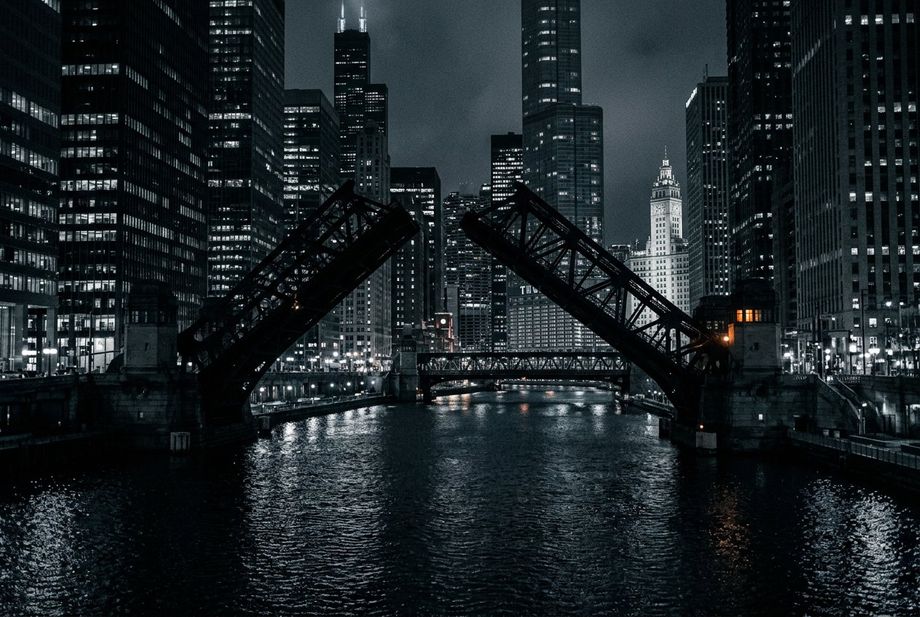
Every Chicago gangster & ghost tour
From a wide-ranging mob bus tour to a Prohibition speakeasy crawl and a gangster food tasting — here’s the full line-up, with prices and what each one is best for.
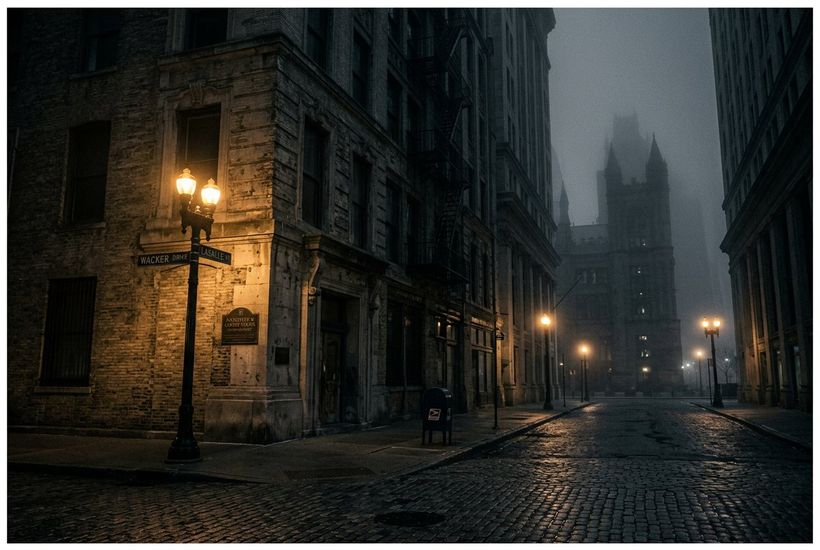 Best seller
Chicago Gangsters & Ghosts Guided Walking Tour
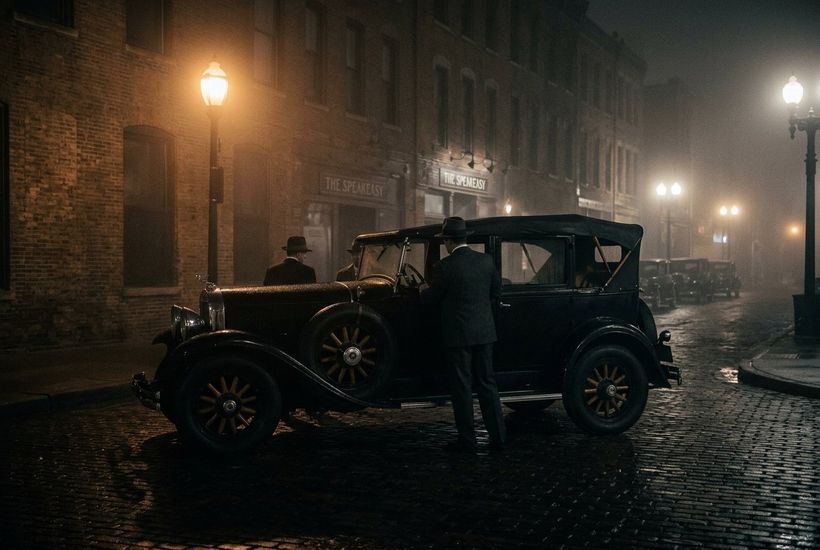 Mob & crime
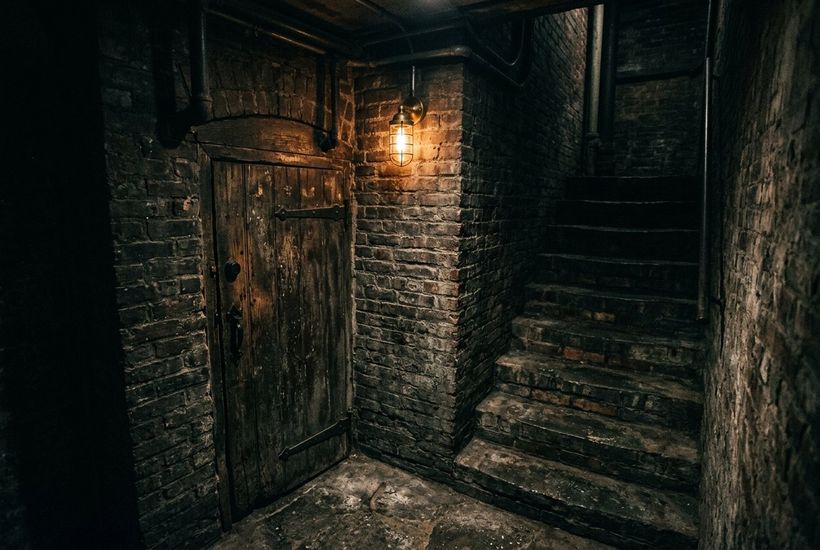 Prohibition
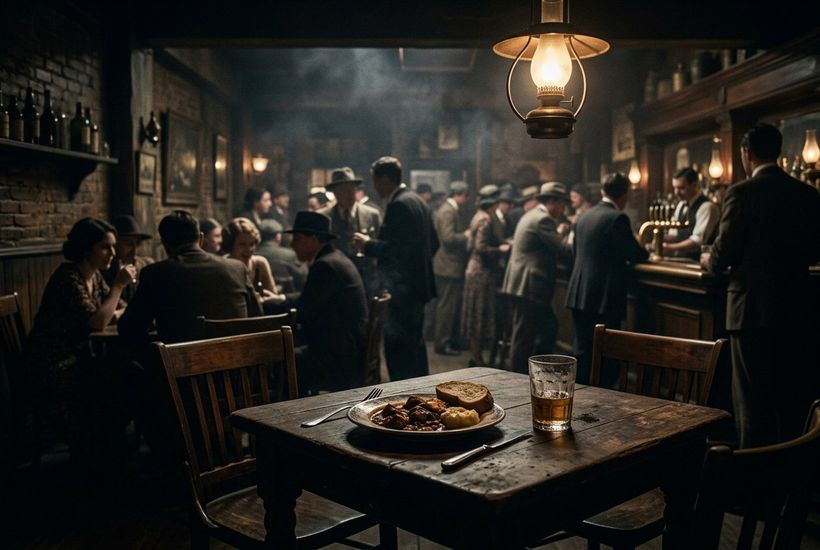 Foodie
Chicago Gangsters and Food Tasting Walking Tour
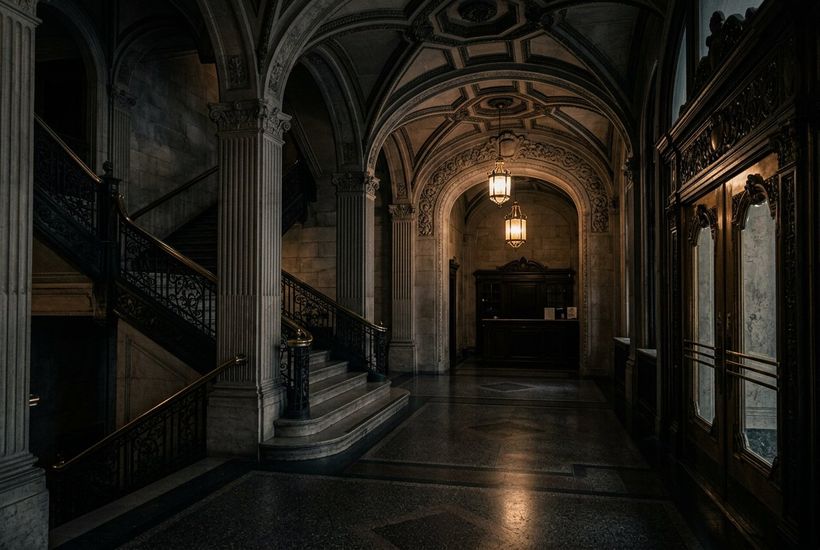 History
Which tour is right for you?
| Tour | From | Best for | Format |
|---|---|---|---|
| Gangsters & Ghosts walk | ~$30 | Most visitors — both themes in one | Walking, ~2 h |
| Mob & Crime bus tour | ~$42 | Covering more sites across the city | Bus |
| Prohibition speakeasies | ~$41 | The bootlegging & bar side of the story | Bus or walking |
| Gangsters & food tasting | ~$70 | History with stops to eat | Walking + food |
| Golden Age walking tour | ~$26 | Architecture & history on a budget | Walking |
How booking works
Pick your theme
Mob, ghosts, or both in one walk — we help you choose.
Check live times
See real availability and prices on GetYourGuide.
Book in seconds
Reserve now, with free cancellation on most tours.
Just turn up
Meet your guide downtown — the details are in your confirmation.
Visitors consistently call out the guides — the difference between a list of dates and a story you remember is the person telling it. The top-rated tours pair real history with a guide who knows how to tell it.
An honest guide to picking a Chicago tour
There are dozens of gangster and ghost tours in Chicago, and a lot of them are nearly identical. Here’s how to cut through it.
Walk or bus?
A walking tour is intimate and atmospheric — you’re standing on the spot where it happened, in the Loop or River North, for about two hours. A bus tour trades that closeness for breadth: it reaches sites spread across the city that you’d never cover on foot, like old hideouts and hit locations further out. If it’s your first time and you want the classic experience, walk. If you’ve done a walking tour before or want the full geographic sweep of the Outfit’s empire, take the bus.
Gangsters, ghosts, or both?
The reason the combined Gangsters & Ghosts walk is the best-seller is simple: Chicago’s mob history and its hauntings happened in the same places. The St. Valentine’s Day Massacre, the Iroquois Theater fire, the Eastland disaster — these are gangland and ghost stories at once. Unless you have a strong preference for one theme, the combined walk gives you the most for your money. Read our gangster tour vs ghost tour comparison if you’re torn.
When to go
These tours run all year. Evenings are best for the ghost-story atmosphere, and October is peak season — the closer you get to Halloween, the earlier the good time slots sell out. Book a few days ahead in autumn and on any weekend.
Is it worth it?
For most people, yes — a good guide turns a stretch of ordinary-looking downtown into the map of an era. We dig into the value question in detail on is a Chicago gangster tour worth it? If you’re still deciding, that’s the page to read.
Live availability & more tours
The complete guide to gangster & ghost Chicago
Chicago is a town built on layers. You walk down Michigan Avenue today and see all those gleaming glass towers, but underneath that shiny surface is a lot of mud, blood and old-school grit. It’s a place where history isn’t just in books — it’s trapped in the brickwork. To really feel the city, you have to look at the two things that define its dark side: the mobsters who owned the streets, and the ghosts who never left them.
The Great Chicago Fire of 1871 wiped the slate clean. What grew back was a monster of a city — a playground for the lawless. Between the Prohibition-era gunfights and the disasters that claimed hundreds of lives at once, Chicago became a magnet for whatever you want to call that lingering energy.
Where mobsters and hauntings overlap
There’s a strange overlap between the crime scenes of the 1920s and the ghost sightings of today. Violence leaves a mark. When you stand on a corner in Lincoln Park, you’re not just standing on concrete — you’re standing where some man in a fedora was once cut down by a Tommy gun.
People come here for that heavy, noir feeling. The city takes an odd pride in its villainy; we don’t hide that Al Capone effectively ran the mayor’s office, we embrace it. The ghosts are just the leftovers of a history too loud to stay quiet — a legacy reaching back to the 1893 World’s Fair, which put Chicago on the map while a serial killer was quietly building a house of horrors a few miles away.
The era of Al Capone: tracking the Chicago Outfit
Alphonse Capone — the Big Fellow — wasn’t even from here. Born in Brooklyn, he made Chicago his kingdom. To track him, start at the Lexington Hotel, his fortress, where his suite was less a room than a command center, complete with reinforced doors and secret exits.
The Outfit wasn’t just a gang; it was a corporation with a body count. Capone’s men didn’t only sell booze — they controlled the unions, the politicians and the cops. You can still see his influence in the old speakeasies tucked into basements around the city.
The Green Mill in Uptown is one of the most authentic spots left. Capone’s favorite booth is still there, angled into a corner with a clear view of both entrances. Legend says a trap door behind the bar leads to tunnels once used to move booze — and occasionally people — past the few feds who couldn’t be bought.
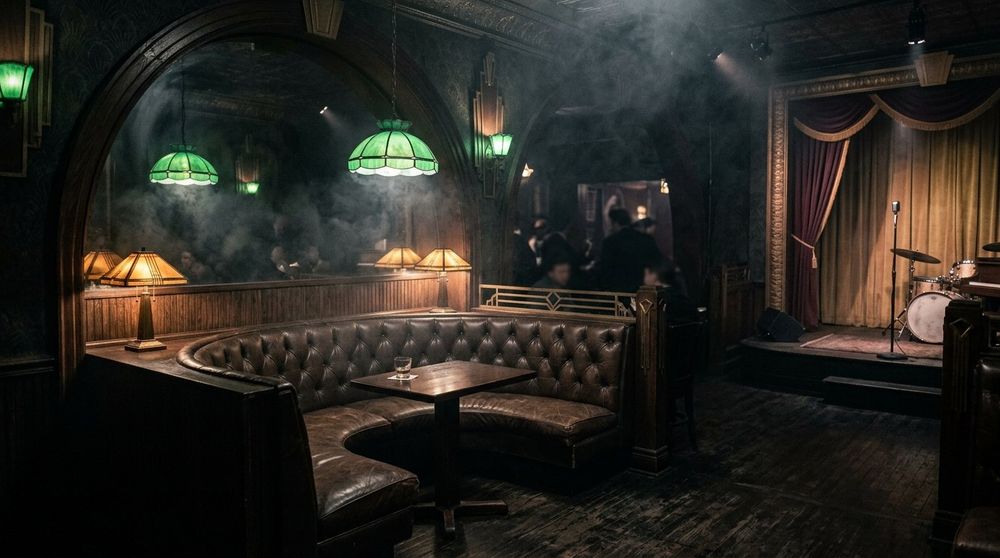
Must-see landmarks, from the Biograph to North Clark Street
You can’t do a gangster tour without the Biograph Theater, where John Dillinger — Public Enemy Number One — met his end in 1934. Betrayed by the “Woman in Red,” he walked out of a movie, spotted the feds, and bolted for the alley. He didn’t make it. Onlookers dipped handkerchiefs in his blood — a grim reminder of the era’s obsession with celebrity-monsters.
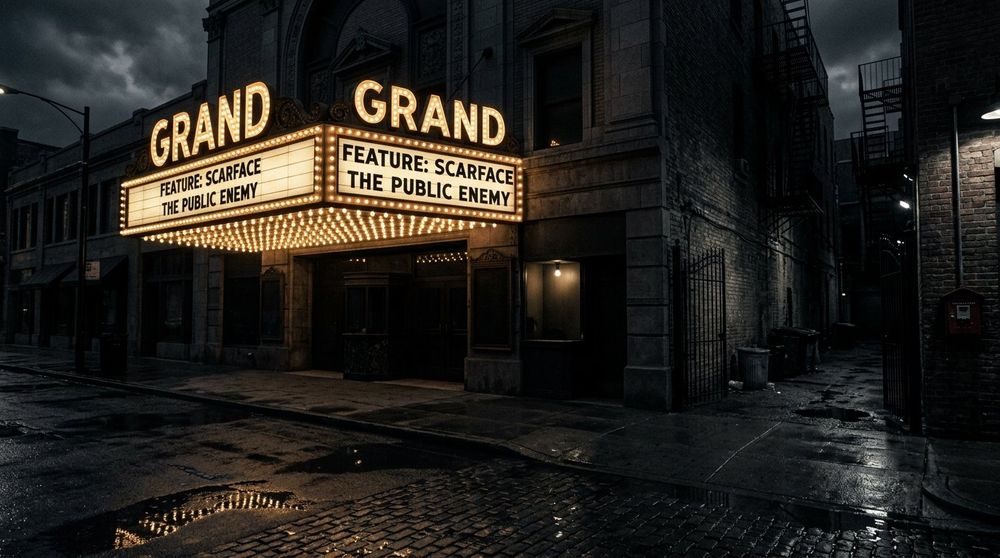
Then there’s 2122 North Clark Street, site of the St. Valentine’s Day Massacre. The building is gone now — just a fenced-in lawn — but the air there feels foul. Seven of Bugs Moran’s men were lined against a wall and cut down by Capone’s hitters dressed as cops. The bricks from that wall were later sold off, and some say their owners inherited a curse.
Another essential stop is Holy Name Cathedral. Across the street, North Side boss Hymie Weiss was gunned down in 1926, and for decades you could still see bullet holes in the church’s cornerstone. The Archdiocese eventually patched them to discourage curiosity seekers, but the aura remains — a holy site that doubled as the parish for men in the business of death.
The “Murder Castle”: Chicago’s darkest chapter
Before Capone, there was H. H. Holmes. During the 1893 World’s Columbian Exposition, he opened a hotel in Englewood that the press later dubbed the “Murder Castle” — a labyrinth of trap doors, soundproof rooms and gas jets.
Today the Englewood Post Office stands on that site. Workers have reported chilling experiences in the basement, which supposedly shares a foundation wall with the original Castle: shadow figures, chairs stacked in empty hallways. It may be the most spiritually poisoned piece of land in the city — proof that Chicago’s darkness predates the Tommy gun.
Why Chicago is America’s hub for ghost hunters
Why Chicago and not New York or LA? It’s the sheer concentration of tragedy. The Eastland Disaster of 1915 killed 844 people right in the Chicago River. The Iroquois Theater fire killed more than 600. Add the gang wars and you have a recipe for a haunting.
The city is literally built on top of itself — the street levels were raised in the 1850s to escape the swamp mud, leaving whole tunnels and old rooms underground. Ghost hunters love it because the history is so well documented: we know who died and how, which makes the encounters feel real when you can put a name to the shadow.
The most haunted sites downtown
The Loop is packed with spirits. Along the Chicago Riverwalk, people report hearing screams and splashing near the Clark Street Bridge — right where the Eastland capsized. The air seems to thicken as you approach the water.
Then there’s the Couch Tomb in Lincoln Park, a lone stone mausoleum. When the city moved the old cemetery to build the park, this one tomb stayed behind. Thousands of bodies are still buried under the grass — you’re walking over a mass grave every time you jog through.
Haunted hospitality: the city’s most restless hotels
If you want to spend the night with a ghost, Chicago’s historic hotels are happy to oblige.
- The Congress Plaza Hotel — arguably the creepiest building downtown. Room 441 is the famous one, where a shadow figure reportedly shakes the bed and the walls. It was once a base for Capone’s men.
- The Drake Hotel — at the north end of the Magnificent Mile, the “Woman in Red” is said to haunt the tenth floor after discovering her husband with another woman at the hotel’s New Year’s Eve gala in 1920. Guests still report a figure in a blood-red gown drifting the corridors.
Death Alley is another beast — the passage behind the old Iroquois (now the Oriental) Theater, where victims of the 1903 fire jumped from the fire escapes and piled up below. It’s narrow, dark and cold, and photographers swear their shots come back full of orbs.
The legend of Resurrection Mary
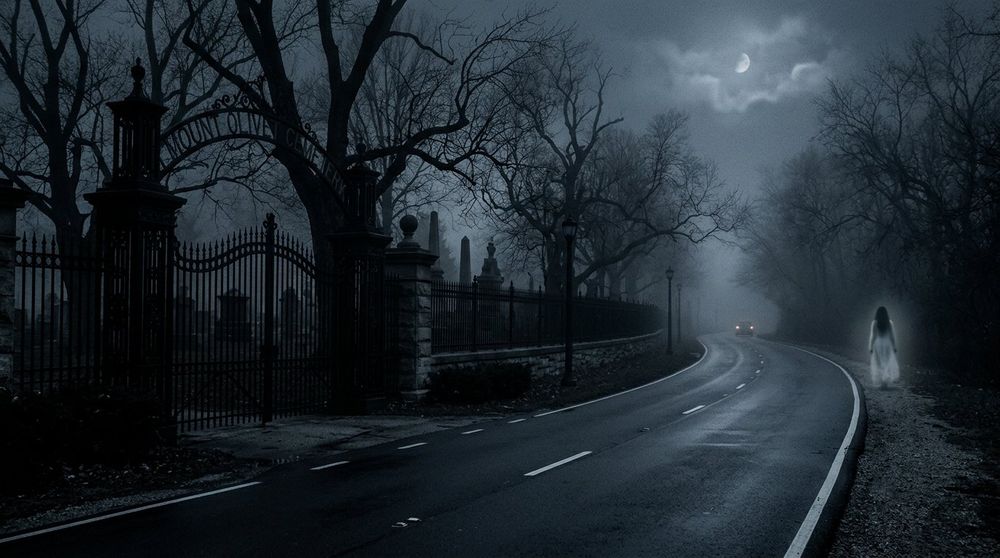
You can’t talk about Chicago hauntings without Resurrection Mary. Since the 1930s, drivers on Archer Avenue have reported picking up a quiet young blonde in a white party dress who asks for a ride toward Resurrection Cemetery — and vanishes the moment the car reaches the gates.
The most famous evidence came in the 1970s, when passersby found the cemetery’s iron bars bent and scorched with two small handprints. The bars were eventually sawn out to stop the crowds, but Mary is still spotted — the vanishing hitchhiker who reminds us that some Chicagoans never truly move on.
Comparing the city’s gangster and ghost tours
If you’re ready to book, the options run from historical deep-dives to theatrical scares.
- Untouchable-style bus tours — guides in 1920s costume drive you around in a black bus. A touch theatrical, even cheesy, but the history is solid and they cover the major Outfit turf.
- Dedicated hauntings tours — for serious paranormal fans, deeply researched and focused on folklore and the psychic history of the city.
- The Gangsters & Ghosts walking tour — the best way to see the Loop on foot, hitting the Congress Hotel and Death Alley where you can actually feel the cold spots.
- Speakeasy-themed tours — the “wet” side of the story, taking in spots like the Exchequer, where Capone kept an upper-balcony speakeasy, or Harry Caray’s, which still houses Frank Nitti’s old vault.
What to expect on a tour
Expect to hear a lot about cold spots, but the real thrill is context. You’ll spend much of the walk looking at ordinary-seeming buildings while a guide tells you what happened inside eighty years ago.
It isn’t all scares — a lot of it is just great trivia, like how the mob dumped bodies in the canal, or how “Machine Gun” Jack McGurn bought a stake in the Green Mill. Most tours run about two hours, so wear comfortable shoes; even the bus tours involve standing on uneven, historic sidewalks.
Planning your nighttime adventure
- Book early. Tours fill fast, especially around October.
- Layer up. The wind off the lake is no joke — it can be 60°F downtown and feel like 40°F in a shadowed alley.
- Bring a camera. Not just for “ghosts” — Chicago’s Gothic and Art Deco architecture is stunning at night.
- Check the meeting point. Some tours start in the Loop, others in River North or Uptown. Know where you’re headed.
- Keep an open mind. Even if you don’t believe in spirits, the historical research is worth the price of admission.
Why every history buff should experience it
Chicago is a city that remembers. It doesn’t polish over the rough edges — you can stand exactly where a hitman stood, or where a victim drew a last breath. It’s visceral.
There’s something about the EL train rattling overhead while you hear about a 1920s heist that just clicks. It’s authentic, it’s messy, it’s Chicago. Whether you’re chasing a ghost or just want to see where the real-life godfathers played their games, this city delivers. Ready to walk it yourself? Compare the Chicago gangster & ghost tours and book the one that fits your night.
Chicago tour FAQs
What's the best Chicago gangster or ghost tour?
For most visitors the Gangsters & Ghosts walking tour is the best pick — it combines Prohibition-era mob history with the city's haunted stories in one highly-rated, roughly two-hour walk, from about $30. If you want to cover more ground, a Mob and Crime bus tour reaches more sites across the city.
How much do Chicago gangster and ghost tours cost?
Walking tours start around $26–$30, bus tours run about $41–$42, and a gangster food-tasting walk is around $70. Most include a guide and last roughly two hours.
Do the tours run all year?
Yes — most run year-round, rain or shine. They're busiest around Halloween and on weekends, when the best-rated time slots sell out a day or two ahead, so it's worth booking online in advance.
Are they suitable for kids?
Most are PG and fine for older children — the stories are dark but not graphic. A few late-night ghost walks lean spookier, so check the description if you're bringing young kids.
Where do the tours start?
Almost all start in or around downtown Chicago — the Loop, River North or the Magnificent Mile. Your booking confirmation lists the exact meeting point and time.