Home › Prohibition & speakeasies
Prohibition Chicago: speakeasies, bootlegging and the gang wars
Why Prohibition made Chicago
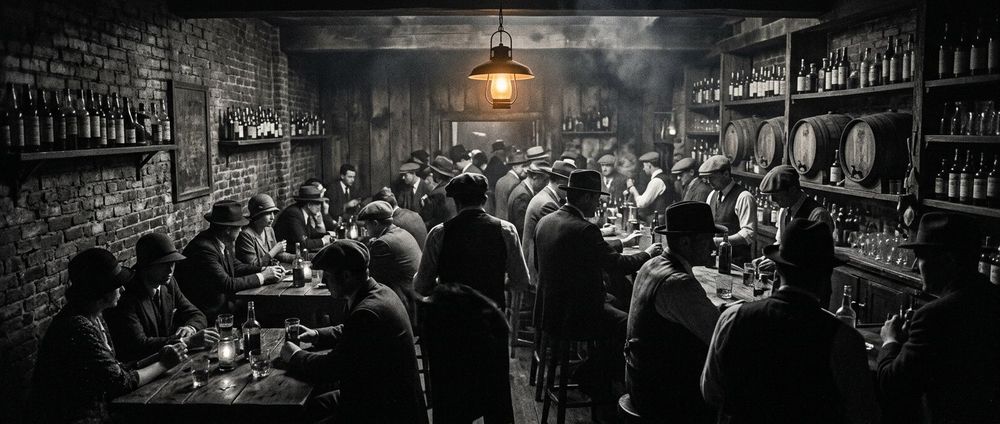
When the 18th Amendment banned the sale of alcohol in 1920, demand didn’t vanish — it went underground. Hidden bars (“speakeasies”) multiplied, supplied by bootleggers, and whoever controlled the supply controlled the money. In Chicago that meant the Outfit, and the rival gangs that fought them.
The Green Mill and surviving speakeasies
A few Prohibition-era spots still operate. The most famous is the Green Mill in Uptown — a jazz club linked to Capone’s lieutenant Jack McGurn, complete with trap doors and tunnels in the lore. A speakeasy tour weaves these surviving bars into the story.
Prohibition & speakeasy tours
If the bootlegging-and-bars side of the story is what draws you, take a dedicated speakeasy tour. For the wider mob history, see gangster tours.
Book your tour
Check live dates and prices for a top-rated Chicago gangster & ghost tour: